• Why Orkut Ruled Brazil (Then Fizzled)—A Lesson in Culture-Driven Marketing”

    Orkut? Have you heard of it?

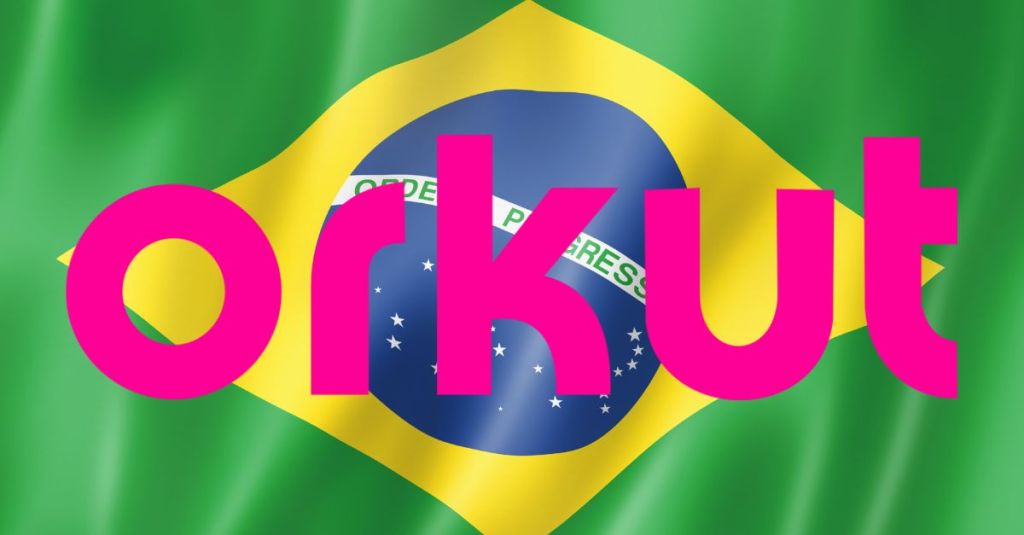
    If not, you are not alone-especially if you were not in Brazil when the early 2010s began. Nonetheless, Orkut wasn’t just another social network for millions of Brazilians. It served as an online gathering place for connection, community, and identity for seven years in a row. In 2004, Google launched Orkut, which quickly became extremely popular with 90% of its traffic coming from Brazil alone.

    In your opinion, what made Orkut so successful? What is the reason for its failure, and equally important, why did it fail?

    Here’s what we need to know.


    Orkut’s Rise: Community + Culture = Magic

    There are some key elements that Orkut nailed that we now refer to as a branded social experience. Users could connect not only with friends, but also with classmates, neighbors, and even celebrities they admired. As opposed to traditional top-down broadcasting platforms, Orkut was built around user-created communities through which users shared ideas, rated each other (literally—you could vote someone “cool” or “trustworthy”), and made product recommendations through community threads. Taking it from a social media marketing perspective, this was an excellent idea. Essentially, it aligns beautifully with the “pull-and-stay” marketing approach I have been studying—where the emphasis is not simply on reaching a mass audience, but rather on encouraging community involvement and participation. This is a textbooklong-tail strategy. Orkut’s communities were unique, authentic, and organic.

    Culturally, it also fit Brazil perfectly. Brazilians have always been very social online. Cell phones have outnumbered people in many cities and outdoor advertising has been banned in many. Because of Orkut, Brazilians used it not just to socialize, but also to research products, build trust, and connect with brands.


    Orkut’s Fall: When Culture Moves, You Must Move With It

    But here’s the twist: despite Orkut’s cultural fit and loyal users, it still lost.

    Why?

    Functionality.

    While the rest of the world (including Facebook) started offering cross-platform integration, better photo sharing, seamless mobile experiences, and algorithm-driven newsfeeds, Orkut remained stagnant. Even the most loyal users moved on when features like friend limits and slow loading times became dealbreakers. This is where Orkut fell short on something we’ve discussed heavily in this case: monitoring and evaluating your strategy continuously. Social media campaigns must evolve as audiences change. Orkut did not. The company did not analyze user pain points fast enough or update features according to changing trends quickly enough.

    Lesson learned: being first isn’t enough. You’ve got to keep listening.


    What Businesses Can Learn from Orkut Today

    In light of Orkut’s story, what conclusions can be drawn?

    1. Cultural fit matters. A key reason why Orkut was successful in Brazil was the way in which it matched both the technological landscape in the country as well as the social and emotional needs of its users.
    2. Communities drive connection. It thrived because users were able to create their own groups and narratives. Today’s marketers can still learn from this.
    3. You can’t stop evolving. There was no consistent platform improvement or cross-media experience created by Orkut. Facebook and other platforms did, and the rest is history.
    4. Hybrid research matters. Prior to your audience’s departure, you can identify what they need through metrics and qualitative feedback (like media ethnography or community listening).

    Personalized, localized, and flexible experiences are essential for brands targeting markets with strong cultural identities-like Brazil. According to Orkut, audiences don’t remain static, so neither can your brand experience.


    Final Thought

    In fact, Orkut might have survived if it had been able to evolve its strategy in the same way that Walmart did with @WalmartLabs – or Maersk Line adapted its B2B messaging for emotional storytelling – but the fact that it’s now a case study? That’s just as valuable to the world of social media.

    Even failures in marketing can teach us to build better products.

    Reference:

    Mahoney, L. M., & Tang, T. (2016). Strategic Social Media: From Marketing to Social Change. Wiley Global Research (STMS). https://mbsdirect.vitalsource.com/books/9781118556900

    , C., Sosa, Y., O. (2025). Brazil+Orkut [Photograph]. https://www.canva.com/design/DAGuyGp8_58/cqvznEb3ebTWVs3surLKmA/view?utm_content=DAGuyGp8_58&utm_campaign=designshare&utm_medium=link2&utm_source=uniquelinks&utlId=h77436a4a6e

  • From Red Envelopes to Routines: Why Weixin (WeChat) Cracked the Code on Social Media Engagement

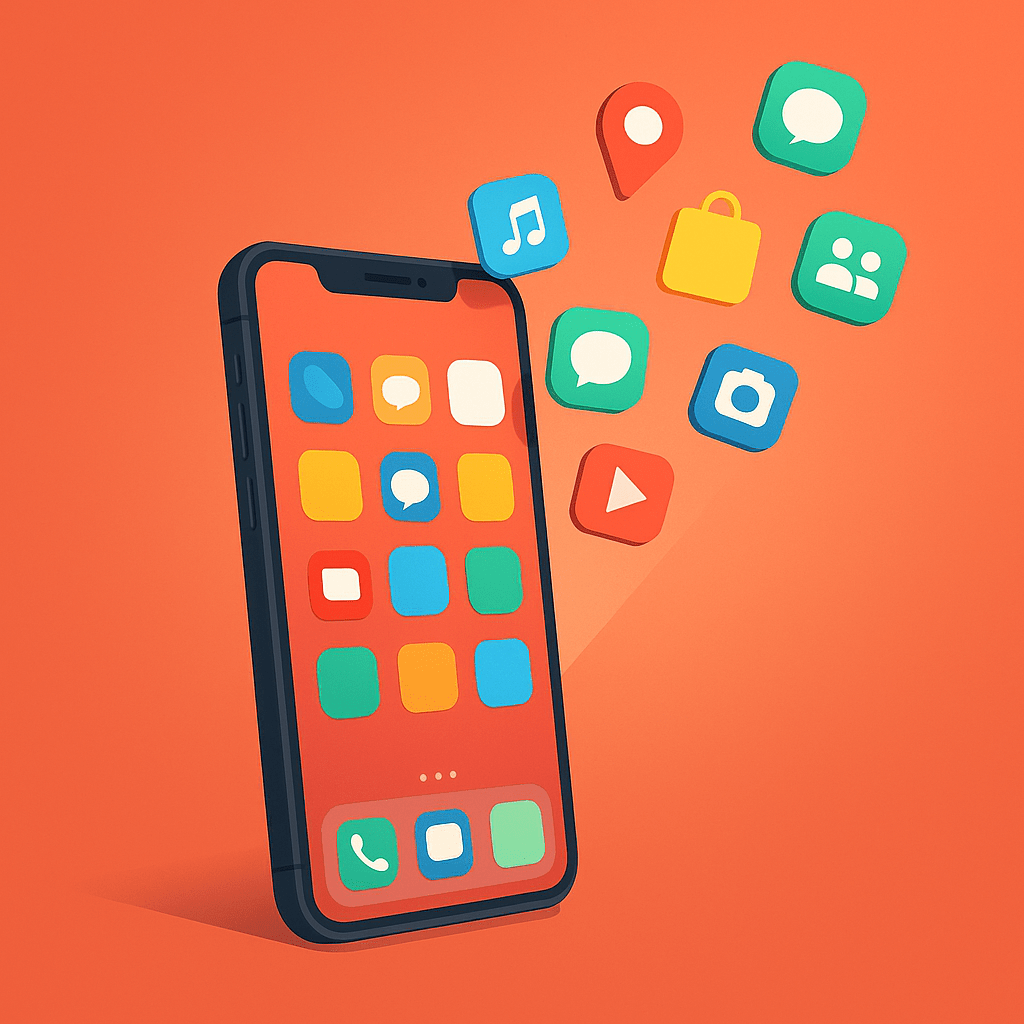
    Over a decade ago, Weixin made your dream of doing everything from one app a reality. You could text your friends, pay for groceries, call a cab, read the news and even run a business.

    In 2011, this Chinese social media app became so popular because it wasn’t just about messaging, but also about becoming an all-in-one experience that knew what users wanted well before they even realized it. That kind of audience-first design is worth paying attention to when it comes to social media marketing.


    In reality, most apps are designed around features. Weixin is a people-focused app.

    Clearly, the developers understood their target audience: young, urban, smartphone users who value convenience, speed, and connection. By combining what the other apps do… and making it easier… they created a platform that couldn’t be compared to those of their competitors.

    Text messaging? Check.

    Voice messages? Tap and talk.

    Paying friends or splitting the dinner bill? Built-in.

    Reading the news or shopping? All inside the app.

    Need a ride home? You can do that too.

    With that level of integration, it’s no wonder users stuck around. Weixin reduced what marketers call “search costs” the mental and physical energy it takes to hop between apps. When everything lives in one place, people are more likely to make that place part of their routine.


    Rather than just catering to the digital needs of its audience, Weixin continuously evolves to meet their cultural and emotional needs as well.

    A great example is the Red Envelope campaign launched around Chinese New Year. This wasn’t just a gimmick. It was a clever way of digitizing a deeply rooted cultural tradition of giving monetary gifts to loved ones and turning it into something fun and social. People could send money through the app with a surprise twist: the amounts were randomly distributed among friends. Suddenly, people weren’t just giving-they were playing. And they loved it! Integrating cultural elements into digital platforms can significantly enhance user engagement and loyalty. By respecting and incorporating traditions, platforms like Weixin create a more relatable and meaningful experience for their users. 

    It was actually that campaign alone that brought millions of users to the platform during the holiday season; it exemplifies how understanding people’s culture and emotions can lead to more engagement. It is possible to significantly increase user engagement and loyalty by integrating cultural elements into digital platforms. Platforms such as Weixin create a more meaningful and relatable experience for their users by respecting and incorporating traditions. 

    A standout feature of Weixin is its integration of ride-hailing with Didi Taxi, which allows users to book a cab directly through the app without downloading a separate app. In addition to providing convenience, this enabled users to trust the platform with their money, paving the way for e-commerce, business transactions, and everyday payments.


    In order for Weixin to achieve long-term success, it has to move beyond simply being an app; it has to become an indispensable part of people’s daily lives.

    Aside from being always relevant, always personalized, and always easy to use, Weixin feels less like a tool and more like a companion, whether it’s commuting to work or waiting in line at a café. Social media marketers aim for this kind of behavior change. You want your product or platform to become a part of someone’s everyday routine, not just a like or a share. When your brand is used habitually, your audience is loyal and engaged, and they won’t hesitate to use it.


    It’s a fair question. Americans use separate apps for everything, from texting to shopping to paying for rides, so the convenience of a super app may be tempting, but the cultural and privacy expectations are different.

    However, that doesn’t mean marketers can’t learn from Weixin’s playbook. The real lesson is about meeting people where they are, solving multiple problems in one place, and giving them a seamless experience.


    A successful product is not based on features alone. It is built upon trust, emotion, and habit.

    Whether you’re building a platform or running a campaign, start with this question:

    What do people need, and how can we make getting it easier, faster, and more meaningful?

    The rest will follow once you have that answer.

    Reference:

    Mahoney, L. M., & Tang, T. (2016). Strategic Social Media: From Marketing to Social Change. Wiley Global Research (STMS). https://mbsdirect.vitalsource.com/books/9781118556900

  • Type Less, Do More: Shifting Social ‘Clicktivism’ Into Real Action

    Social media activism has its own virality, but it doesn’t always succeed. The infamous Facebook breast cancer meme, for example, asked women to share cryptic status updates like “I like it on the floor” or “Rebecca, red.” The goal was to raise awareness for breast cancer. As a result, a few confused friends, a flurry of gossip, and a message that went viral—but did not have much real-world impact.

    Campaigns like this, often filled with vague or sexual innuendo, may spark engagement, but they fall short of mobilization. They generate buzz, but do they really motivate people?

    Now let’s contrast that with the Ice Bucket Challenge, a campaign that combined awareness with action. They didn’t just post cute statuses—they dumped ice water on their heads, filmed it, nominated others, and donated. Why did this campaign raise $115 million for ALS research? Because it was visual, active, fun, and—most importantly—tied to a clear donation request.

    Howard B. Levy, C. (2017, August 29)


    🤳 Awareness Isn’t Enough. We Need Action.

    Even though pink-themed memes are good, we need to change how we engage with causes in this age of short attention spans, flooded timelines, and messages that get lost in seconds. We live in a world where messages get lost in seconds. A status update that says, “I like it on the couch” might get likes—but it doesn’t lead to donations, appointments, or volunteers.

    There are three types of challenges we need:

    • Engage physical participation (to grab attention),
    • Provide clear donation pathways (make it easy to donate),
    • Educate while entertaining (we’re doing this for a reason).

    🚹 Why Including Men Matters

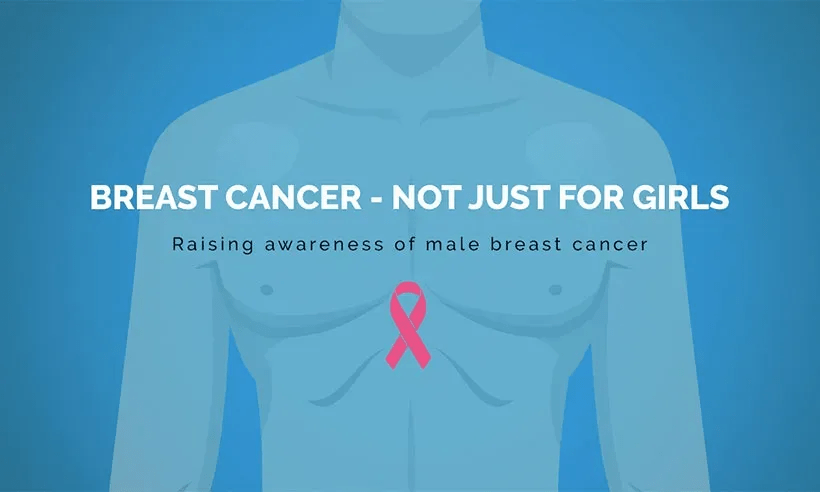
    Let’s face it: inclusion drives awareness. By including men – not just as supporters, but as potential patients – we build communities, foster early detection, and foster allies.

    The more inclusive our awareness efforts are, the stronger and more united our impact can be. The more inclusive our efforts are, the stronger and more united our impact will be.


    💡 Let’s Bring Back Impactful Challenges

    Wouldn’t it be great if October’s Breast Cancer Awareness Month reignited the challenge format? What if people did 20 push-ups in pink in honor of survivors? Or ran a mile for each friend affected? How about posting a donation link alongside each post and tagging five more people to keep the movement going?

    Let’s move beyond ‘clicktivism‘ – that kind of awareness that feels good but doesn’t really do anything. Let’s tap into what made the Ice Bucket Challenge so iconic: it was bold, personal, and powerful.

    If we’re serious about supporting causes like breast cancer awareness, it’s time to get real, get moving, and make giving contagious again.


    This year, let’s act with the #PinkPushUpPledge:

    1. Do 10 push-ups (or any physical challenge you can do—like a plank, wall sit, or jumping jacks) while wearing something pink.
    2. Dedicate your reps to someone affected by breast cancer—say their name in your video.
    3. Donate at least $5 to a breast cancer charity of your choice.
    4. Tag 3 friends—men, women, nonbinary folks—to take the challenge within 48 hours.
    5. Use the hashtags #PinkPushUpPledge #MoveForTheCure #BreastCancerAwareness2025 to spread the word.

    This year’s pledge is inclusive. Breast cancer doesn’t discriminate, and neither should we. Whether you’re a survivor, supporter, or simply someone who cares, let’s stand (and sweat) together.


    💬 What do you think?

    Are you in for the #PinkPushUpPledge? Let’s make October a month of real action, inclusive support, and impactful change.

    References:

    Howard B. Levy, C. (2017, August 29). Redeeming value of social media: How the ice bucket challenge invigorated the ALS Association. The CPA Journal. https://www.cpajournal.com/2017/08/16/redeeming-value-social-media-ice-bucket-challenge-invigorated-als-association/
    Society, A. C. (2025). Key statistics for breast cancer in men. American Cancer Society. https://www.cancer.org/cancer/types/breast-cancer-in-men/about/key-statistics.html

    CC, A. (2021). Men get it too! male breast cancer awareness. Board Certified Radiation Oncologists located in Avondale, Chandler, Chandler, Gilbert, Mesa, Phoenix, Scottsdale, Surprise, Peoria, Fountain Hills, Apache Junction, Sun City, Goodyear, Glendale, Tempe, Wickenburg, Phoenix and Prescott Valley, AZ | Arizona Center for Cancer Care. https://www.arizonaccc.com/post/men-get-it-too-male-breast-cancer-awareness

    Mahoney, L. M., & Tang, T. (2016). Strategic Social Media: From Marketing to Social Change. Wiley Global Research (STMS). https://mbsdirect.vitalsource.com/books/9781118556900


    Canvas.com/Stockimage

  • See the Change: How Warby Parker Revolutionized Eyewear

    Exploring smart, social, and disruptive marketing strategies—one case at a time.

    How Warby Parker Made Eyeglasses Social—and Why I Wish I Knew Sooner

    Okay, real talk: buying glasses used to be so frustrating. Pricey frames, scheduling appointments, and no clue if they’ll even look good on your face. I used to just go with whatever was covered by insurance and call it a day. If I had known about Warby Parker back then, my wallet—and my face—would’ve thanked me.

    Warby Parker didn’t just launch an online glasses store—they created a whole experience. And what really set them apart was how they used social media to turn a risky online purchase into something that felt exciting and personal.

    The Game-Changer: Try Before You Buy (and Share It)

    Their “Home Try-On Campaign” was ahead of its time. Five pairs of glasses sent straight to your home, no cost, no commitment. And here’s where it gets clever, they encouraged customers to post selfies in each pair to get feedback from friends and followers. This wasn’t just good content; it was free advertising.

    I’ve seen similar models now from brands like Stitch Fix, which lets you try clothes at home before deciding what to keep, and Amazon’s Try Before You Buy for Prime members. But Warby Parker was one of the pioneers—and they used social media as the megaphone.

    From Static Ads to Real Conversations

    In a traditional media world, this kind of model would’ve been hard to explain. Imagine trying to explain Home Try-On in a newspaper ad or a 30-second TV spot. It’d either be confusing or sound too good to be true.

    Social media gave Warby Parker the chance to explain and engage. They weren’t just posting product shots. They were replying to comments, resharing user photos, and creating helpful videos on YouTube about how to find the perfect frame. That’s transactional communication, a two-way relationship where customers feel heard, not sold to.

    Less Risk, More Trust: Reducing Dissonance

    Buying glasses online used to sound risky. What if they don’t fit? What if the frames feel cheap? Warby Parker tackled all of that upfront:

    • Free Home Try-On
    • No-hassle returns
    • Real people sharing real photos
    • Direct social media replies and support

    This helped reduce what marketers call cognitive dissonance, that nervous feeling you get when you’re unsure about a purchase. When you see others like you making it work, it feels safer to try.

    And for me? I’ve had that same feeling trying Stitch Fix. You open the box, try things on, maybe post a pic in your mirror (guilty), and decide what feels right. That sense of low pressure is addictive—and shareable.

    Another thing that builds loyalty? Purpose. Warby Parker’s partnership with VisionSpring means every purchase helps someone in need get a pair of glasses. That’s not just a nice bonus, it’s a marketing strategy that builds emotional connection and gives customers a reason to spread the word.

    It’s easier to convince someone to switch brands when it’s not just about saving money—it’s about making a difference.


    TL;DR: Warby Parker Made Eyewear Cool (and Smart)

    • Try-before-you-buy = less risk, more fun
    • User-generated content = trust and virality
    • Two-way communication = brand loyalty
    • Social impact = feel-good shopping

    I never had a friend who told me about Warby Parker when they launched, but now I wish I had. Their model set the stage for so many other companies to rethink how they sell, and how they connect.


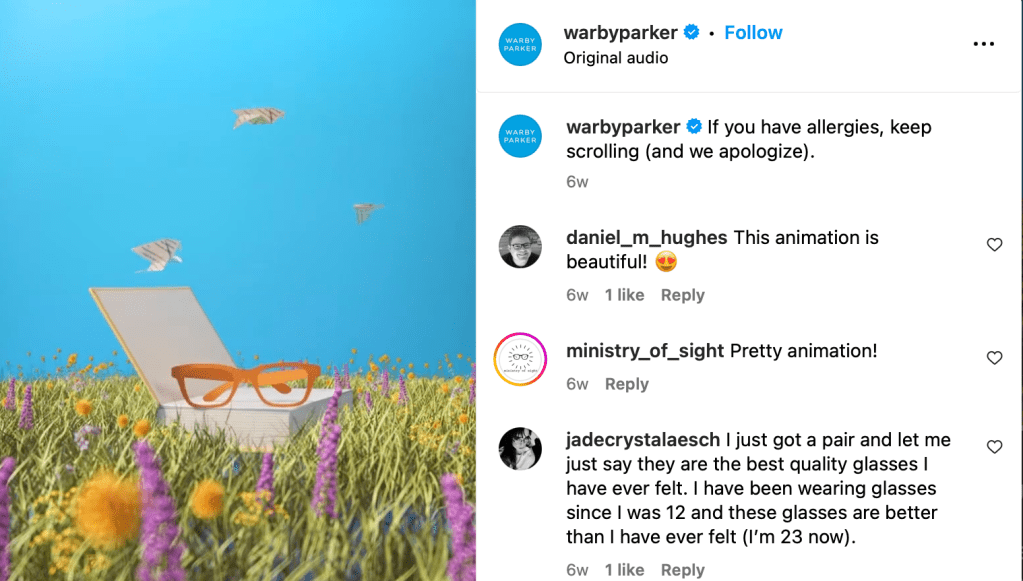
    👓 Want to see their try-on experience? Check out Warby Parker’s Instagram and see real people making real choices.

    💬 Ever tried Stitch Fix or Amazon’s Try Before You Buy? I’d love to hear your experience! Drop a comment or tag me if you’ve ever crowd-sourced an outfit or frame decision.

  • Welcome to WordPress! This is your first post. Edit or delete it to take the first step in your blogging journey.

  • 🎬 Blending Passions:

    Marketing Meets Creativity

    Hi and welcome to Almost Normal With Y—a space where my marketing studies and creative journey come together.

    I’m Yariani Sosa, a creative professional and actress with a background in film, real estate, and now, marketing. As part of my Master’s program, I’m exploring how marketing principles shape not just global brands—but also personal branding in the entertainment world.

    This website was created to support coursework for my marketing class, but it also reflects a very real part of who I am: a storyteller learning to navigate both business and creativity with purpose (and a little chaos for good measure).


    🎭 A bit about me:

    I’m a Puerto Rican actress, raised on the island from the age of two until I moved to the U.S. for college. Spanish is my first language, and so much of who I am—my rhythm, my passion, my storytelling—was shaped by growing up in Puerto Rico. Now based in Detroit, I’m building a journey that bridges cultures, creative expression, and my studies in marketing.


    What you’ll find here:

    • A showcase of my acting and creative work
    • Reflections on what I’m learning in my marketing program
    • A personal exploration of branding, storytelling, and identity

    This is just the beginning of something evolving—where education meets passion and every day brings a new page.

    Thanks for visiting,

    Yariani Sosa

Yariani Sosa


I’m a Puerto Rican actress, raised on the island from the age of two until I moved to the U.S. for college. Spanish is my first language, and so much of who I am—my rhythm, my passion, my storytelling—was shaped by growing up in Puerto Rico. Now based in Detroit, I’m building a journey that bridges cultures, creative expression, and my studies in marketing.

Actress

Storyteller

Marketing Graduate Student

Bilingual Creative

Puerto Rican Soul

Almost Normal Human