Exploring smart, social, and disruptive marketing strategies—one case at a time.
How Warby Parker Made Eyeglasses Social—and Why I Wish I Knew Sooner
Okay, real talk: buying glasses used to be so frustrating. Pricey frames, scheduling appointments, and no clue if they’ll even look good on your face. I used to just go with whatever was covered by insurance and call it a day. If I had known about Warby Parker back then, my wallet—and my face—would’ve thanked me.
Warby Parker didn’t just launch an online glasses store—they created a whole experience. And what really set them apart was how they used social media to turn a risky online purchase into something that felt exciting and personal.
The Game-Changer: Try Before You Buy (and Share It)
Their “Home Try-On Campaign” was ahead of its time. Five pairs of glasses sent straight to your home, no cost, no commitment. And here’s where it gets clever, they encouraged customers to post selfies in each pair to get feedback from friends and followers. This wasn’t just good content; it was free advertising.
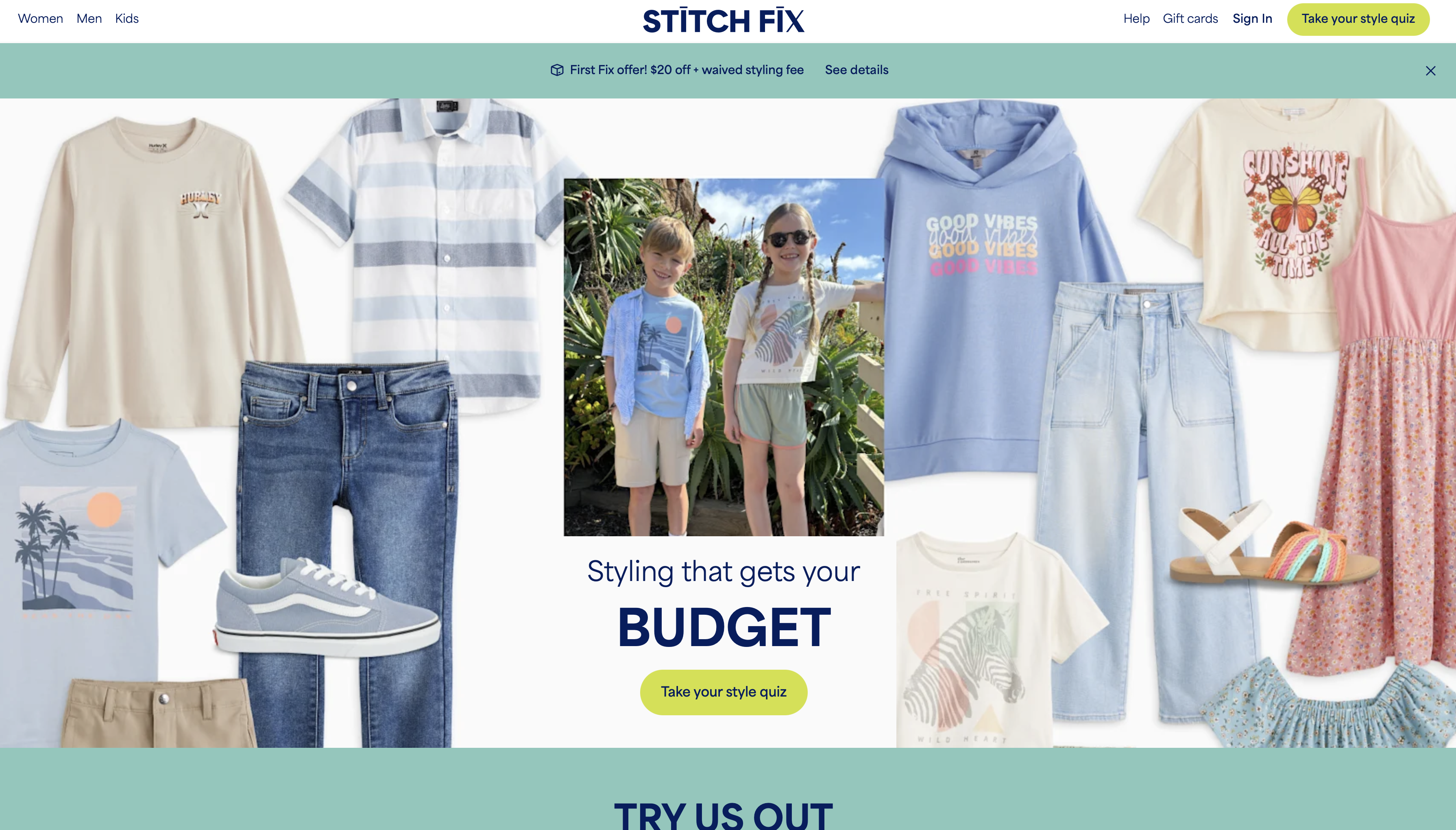
I’ve seen similar models now from brands like Stitch Fix, which lets you try clothes at home before deciding what to keep, and Amazon’s Try Before You Buy for Prime members. But Warby Parker was one of the pioneers—and they used social media as the megaphone.

From Static Ads to Real Conversations
In a traditional media world, this kind of model would’ve been hard to explain. Imagine trying to explain Home Try-On in a newspaper ad or a 30-second TV spot. It’d either be confusing or sound too good to be true.
Social media gave Warby Parker the chance to explain and engage. They weren’t just posting product shots. They were replying to comments, resharing user photos, and creating helpful videos on YouTube about how to find the perfect frame. That’s transactional communication, a two-way relationship where customers feel heard, not sold to.
Less Risk, More Trust: Reducing Dissonance
Buying glasses online used to sound risky. What if they don’t fit? What if the frames feel cheap? Warby Parker tackled all of that upfront:
- Free Home Try-On
- No-hassle returns
- Real people sharing real photos
- Direct social media replies and support
This helped reduce what marketers call cognitive dissonance, that nervous feeling you get when you’re unsure about a purchase. When you see others like you making it work, it feels safer to try.
And for me? I’ve had that same feeling trying Stitch Fix. You open the box, try things on, maybe post a pic in your mirror (guilty), and decide what feels right. That sense of low pressure is addictive—and shareable.
Social Good That Feels Good
Another thing that builds loyalty? Purpose. Warby Parker’s partnership with VisionSpring means every purchase helps someone in need get a pair of glasses. That’s not just a nice bonus, it’s a marketing strategy that builds emotional connection and gives customers a reason to spread the word.
It’s easier to convince someone to switch brands when it’s not just about saving money—it’s about making a difference.
TL;DR: Warby Parker Made Eyewear Cool (and Smart)
- Try-before-you-buy = less risk, more fun
- User-generated content = trust and virality
- Two-way communication = brand loyalty
- Social impact = feel-good shopping
I never had a friend who told me about Warby Parker when they launched, but now I wish I had. Their model set the stage for so many other companies to rethink how they sell, and how they connect.
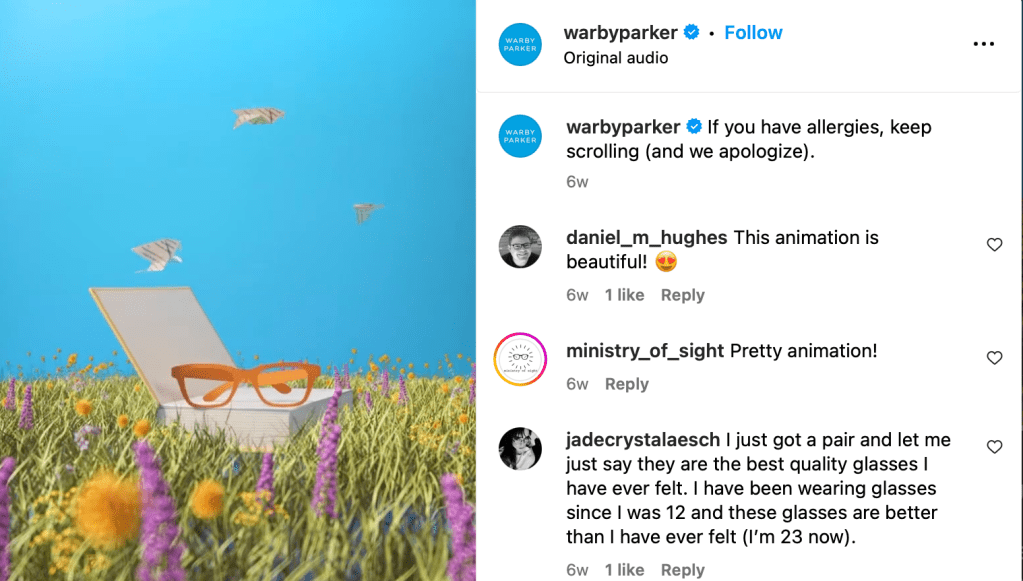
👓 Want to see their try-on experience? Check out Warby Parker’s Instagram and see real people making real choices.
💬 Ever tried Stitch Fix or Amazon’s Try Before You Buy? I’d love to hear your experience! Drop a comment or tag me if you’ve ever crowd-sourced an outfit or frame decision.

 Almost Normal With Y.
Leave a reply to ameliasnhu Cancel reply